Mittwoch, 19. November 2014

People of the Camel are cursed


بسم الله الواحد القهار


Sharif Al-Murtadha:

Nooh Ibn Darraj has narrated from Mohammad Ibn Muslim from Habbat Al-Urani who said: I heard Ali(عليه السلام) saying during the battle with the People of the Camel: "By Allah, the rider in the camel-litter(i.e. Aisha) knows that the People of the Camel are cursed through the tongue of the Ummi Prophet(صلی الله وعليه وآله وسلم), and he who forges a lie indeed fails to attain his desire." 

Sharif Al-Murtadha: This hadith has been narrated with this wording or near to this wording through different chains.


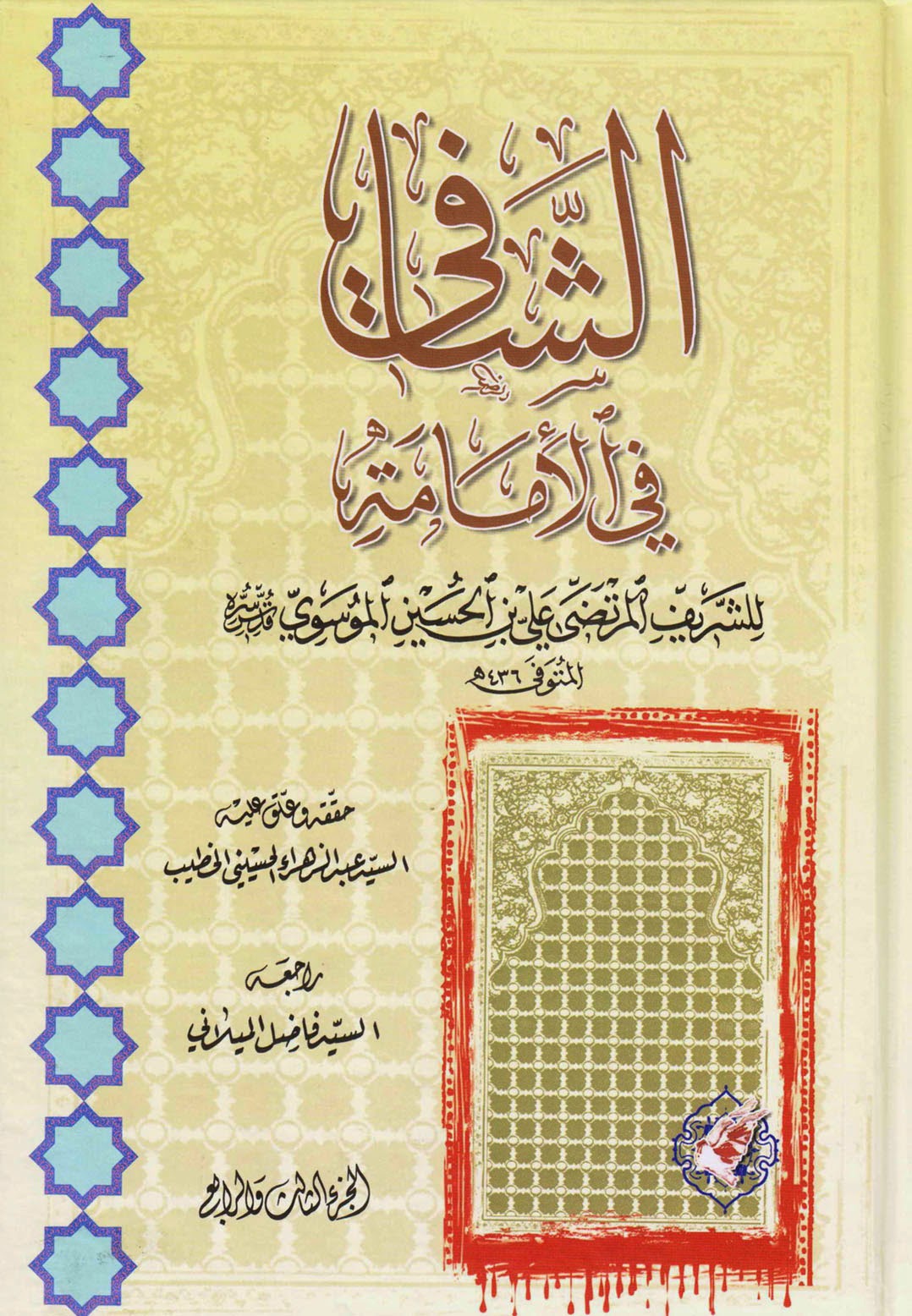
Source: Al-Shafi Fil Imamah, Vol. 4 Pg. 332


Freitag, 14. November 2014

He who honors a dissident is not from us

بسم الله الواحد القهار

Sheikh As-Saduq:

He who honors a dissident is not from us:

Mohammed Ibn al-Hasan Ibn al-Walid related to us from Mohammed Ibn al-Hasan as-Saffar from Mohammad Ibn Isa Ibn Ubayd from Ibn Faddhal that Imam ar-Ridha (عليه السلام) said:
As for anyone who builds relations with somebody who disregards us, disregards somebody who builds good relations with us, praises somebody who reviles at us, or honors somebody who dissents from us, he is surely not one of us and we are surely not from him.

The loyalty to the enemies of Allah:

Mohammed Ibn Musa Ibn al-Mutawakkil narrated to us from Ali Ibn al-Hussein as-Sa’dabadi from Ahmad Ibn Mohammad Ibn Khalid from Ibn Faddhal that Imam ar-Ridha (عليه السلام) said:
He who follows the enemies of Allah will certainly antagonize the disciples of Allah, and whoever antagonizes the disciples of Allah will antagonize Allah Who will incumbently put him in the fire of Hell.

Source: Sifaat Ash-Shia, Pg. 136-137, H-No:10,11


Grading: Sahih(authentic)

Check Rijaal section for the following narrator numbers:

Hadith # 10:

- 1608
- 1621
- 1752
- 503

Hadith # 11:

- 1794
- 1232
- 121
503

Dienstag, 28. Oktober 2014

Disheveled Angels, covered with dust around the grave of Imam Al-Husain(عليه السلام)

بسم الله الواحد القهار


Sheikh Al-Saduq:

Narrated to me Mohammad Ibn Al-Hasan from Mohammad Ibn Al-Hasan Al-Saffar from Al-Abbas Ibn Ma'ruf from Hammad Ibn Isa from Rib'ee Ibn Abdullah who said: I said to Abi Abdullah(عليه السلام) in Medina: "where are the graves of the martyrs?" He(عليه السلام) said: "isn't the master of the martyrs near you, Al-Husain(عليه السلام)? by the one in Whose hands is my soul, four thousand disheveled angels are around his grave, covered with dust cry over Imam Husain(عليه السلام) until Judgment Day."

Footnote: Its chain is of the most authentic chains, its narrators are trustworthy, of the great and esteemed scholars.

Source: Thawab Al-A'maal, Pg. 285


Donnerstag, 9. Oktober 2014

Hypocrites in Ghadir

بسم الله الواحد القهار


Allamah Al-Hilli:

Sheikh Al-Tusi and Ibn Yaqoub have narrated through an authentic chain from Hassaan Al-Jammal who said the following:
“I once provided transportation for abu ‘Abd Allah, (عليه السلام), from al-Madinah to Makkah. When we arrived at Masjid of al-Ghadir Khum, he looked to the left side of the Masjid and said this.
‘That is the place where the Messenger of Allah(صلی الله وعليه وآله ) set foot when he said, “On whoever I have Divine Authority, Ali also has Divine Authority.” He then looked to the other side and said, ‘That is the place for the tent of abu so(i.e. Abu Bakr) and so(i.e. Umar) and Salim Mawla’ abu Hudhayfah and abu ‘Ubayda al-Jarrah, who on seeing him raising his hands, said to each other, “Look at his eyes turning like the eyes of an insane person.” Jibril at this time came with this verse of the Holy Quran:

“The disbelievers almost make you slip up, by their piercing eyes when they hear the Zikr and say that he is an insane person. It is not anything other than good advice from the Lord of the worlds.”’ [54:50–51] ”

Then he said, "O Hassaan if you were not my camel-driver, I would not have narrated to you this hadith."

Source: Muntaha Al-Matlab, Vol. 6 Pg. 318-319


Donnerstag, 25. September 2014

cursing someone who is not curseworthy

بسم الله الواحد القهار


Sheikh Al-Saduq:

Chapter: punishment of cursing someone who is not curseworthy:

Narrated my father from Sa'd Ibn Abdullah from Ahmad Ibn Mohammad from Al-Wash'sha from Ali Ibn Abi Hamza who said: 
I heard Aba Abdullah(عليه السلام) saying: "when curse(La'an) comes out of the mouth of a person, it moves around, if it found its passage, it will pass to that person, otherwise it will return to its teller."

Footnote: it has been narrated in Bihaar Al-Anwaar, Vol. 69 Pg. 208, Qurb Al-Isnaad, 10, No. 31 through a Hasan like Sahih(authentic) chain with the addition: "so be careful to not curse a believer, because it will return to you." in Al-Kafi 2/360 it has been narrated through two chains from Al-Batahini and through a Sahih(authentic) chain from Abdullah Ibn Sinan from Al-Thumali.
The chain of this narration is reliable and Hasan though, its narrators are of the great trustworthy and significant scholars, except for Ali Ibn Abi Hamza who is a Waqifi, however a group of scholars have acted upon his narrations, but the narrators have stopped narrating from him after he became a Waqifi, the narrator from him in this narration is of the heads and noble personalities of this creed and he is Al-Hasan Ibn Ali Al-Wash'sha.

Source: Iqaab Al-A'maal, Pg. 181, H-No. 282


Sonntag, 10. August 2014

Three big Liars

بسم الله الواحد القهار


Al-Majlisi I:

The author(i.e. Sheikh As-Saduq) has narrated in Al-Khisaal through a strong chain from Mohammad Ibn Amaara from Abi Abdullah(عليه السلام): I heard him say: "three people used to lie upon the Messenger of Allah(صلى الله عليه وآله وسلم ); Abu Huraira, Anas Ibn Malik and The Woman(i.e. Aisha)."

Source: Rawdhatul Muttaqeen, Vol. 12 Pg. 204


Samstag, 26. Juli 2014

Principles of Islam and Imaan

بسم الله الواحد القهار


Sheikh Al-Kulayni:


Ali ibn Ibrahim has narrated from Muhammad ibn ’Isa from Yunus ibn ‘Abd al-Rahman from ’Ajlan ibn Salih who has said the following:
I requested abu ‘Abd Allah, recipient of divine supreme covenant, ‘Teach me, please, the principles of beliefs. The Imam said, ‘They are: to testify and affirm that there is no one who deserves to be worshipped except Allah, to testify and affirm that Muhammad is the Messenger of Allah and to affirm that whatever he has taught is from Allah. (It is of the principles of beliefs) to affirm and accept that there is prayer five times every day. (It is of the principles of beliefs) to pay Zakat (charity), to fast in the month of Ramadan and to perform Hajj of the House (of Allah). (It is of the principles of beliefs) to love those who love us (‘A’immah from the family of the Messenger of Allah), to disown our enemies and to become part of the group of the truthful ones. (All such issues are of principles and obligatory matters).’”

[Al-Kafi Vol.2, H 1479, CH 10, h 2]

Al-Majlisi II: 

It is Sahih.

Source: Mir'atul Uqool, Vol. 7 Pg. 101

Sheikh Al-Kulayni:


Abu Ali al-Ash’ari has narrated from al-Hassan ibn Ali al-Kufi from ‘Abbas ibn ‘Amir from Aban ibn ‘Uthman from Fudayl ibn Yasar from abu Ja’far, recipient of divine supreme covenant, who has said the following:
“Abu Ja'far, recipient of divine supreme covenant, has said, ‘Islam is based on five principles. They are: Prayer, al-Zakat (charity) fasting, Hajj and al-Wilayah. The call to none of the other principles has been so emphatic as it has been to al-Wilayah. People accepted the other four but they left aside this [al-Wilayah].’”

[Al-Kafi Vol. 2, H 1480, CH 10, h 3]

Al-Majlisi II: 

It is Muwath'thaq with the degree of Sahih.

Source: Mir'atul Uqool, Vol. 7 Pg. 101